
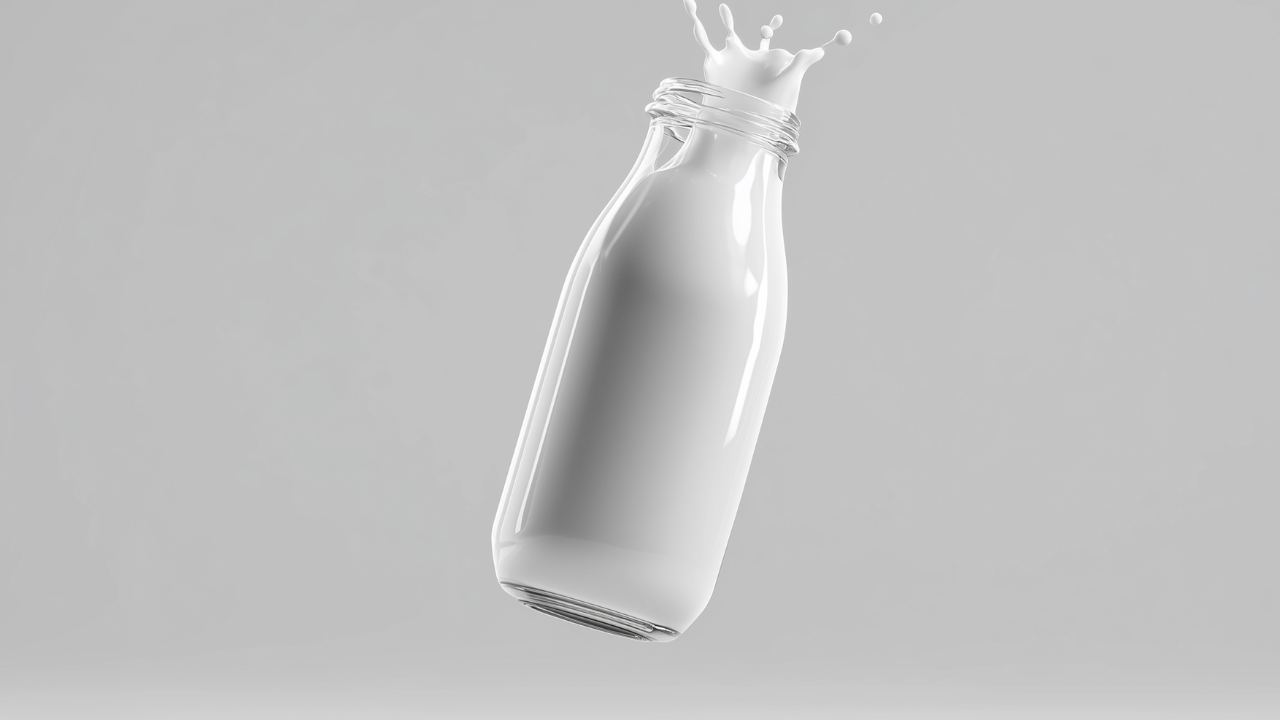
MILK AND MILK PRODUCTS
🌿 Introduction
Milk has been an important part of human nutrition for thousands of years. It is one of the most complete natural foods, rich in proteins, vitamins, minerals, and healthy fats. Across cultures and in traditional medicine systems, milk is known as a symbol of growth, purity, nourishment, and healing.
Milk and its products — such as curd, butter, ghee, cheese, and yogurt — support digestion, strengthen bones, improve skin health, and boost immunity.
🥛 What is Milk?
Milk is a nutrient-rich liquid produced by mammals, including cows, goats, buffaloes, and camels. It contains a balanced mix of:
- Proteins (casein & whey)
- Healthy fats
- Calcium
- Vitamin D
- Vitamin B12
- Potassium
- Phosphorus
Milk is considered a complete food because it provides almost all essential nutrients the human body needs.
🧀 Types of Milk and Milk Products
- Cow Milk
Light, easier to digest, rich in calcium and vitamin B12.
- Buffalo Milk
Creamier, high in fat and protein, excellent for making ghee and dairy sweets.
- Goat Milk
Lighter on the stomach, suitable for people with digestion issues.
- Camel Milk
Nutritious, lower in fat, rich in minerals, and beneficial for diabetics.
Milk and milk products have been an essential part of the human diet for thousands of years. From childhood to old age, dairy products play a crucial role in providing strength, nutrition, and immunity. In this blog, we will explore the types of milk products, their nutritional value, health benefits, and daily uses.
What Is Milk?
Milk is a nutrient-rich liquid food produced by mammals, mainly cows, buffaloes, goats, and sheep. It is considered a complete food because it contains:
-
Protein
-
Carbohydrates
-
Healthy fats
-
Calcium
-
Vitamins (A, D, B12)
-
Minerals like potassium and phosphorus
Types of Milk
-
Cow Milk – Most commonly consumed worldwide
-
Buffalo Milk – Higher fat and creamier than cow milk
-
Goat Milk – Easy to digest and rich in probiotics
-
Sheep Milk – High in protein and calcium
-
Plant-Based Milk (Alternatives)
-
Almond Milk
-
Soy Milk
-
Oat Milk
-
Coconut Milk
-
Popular Milk Products
Milk is processed into many valuable products used daily:
1. Curd / Yogurt
-
Improves digestion
-
Rich in probiotics
-
Boosts immunity
2. Butter
-
Used in cooking and baking
-
Source of healthy fats
-
Enhances flavor
3. Cheese
-
High in protein & calcium
-
Strengthens bones
-
Available in many varieties
4. Ghee
-
Pure milk fat
-
Improves digestion
-
Used in Indian cooking & Ayurveda
5. Paneer (Cottage Cheese)
-
High protein vegetarian food
-
Excellent for muscle building
-
Used in many Indian dishes
6. Cream
-
Used in sweets & gravies
-
Adds richness and texture
7. Milk Powder
-
Long shelf life
-
Used in baby food & baking
-
Milk and milk products are a powerhouse of nutrition. From building strong bones to improving digestion and immunity, dairy plays a vital role in a balanced diet. Whether consumed as fresh milk, curd, ghee, paneer, or cheese — each form offers unique health benefits. However, moderation is essential for optimal health.
Nutritional Value of Milk (Per 1 Glass – 250 ml Approx.)
-
Calories: 150
-
Protein: 8 g
-
Fat: 8 g
-
Calcium: 300 mg
-
Vitamin D: 25% of daily requirement
Health Benefits of Milk and Milk Products
✅ Strengthens Bones & Teeth – High calcium & vitamin D
✅ Supports Muscle Growth – High-quality protein
✅ Boosts Immunity – Rich in essential vitamins
✅ Improves Digestion – Especially yogurt & buttermilk
✅ Good for Heart Health – Low-fat dairy balances cholesterol
✅ Helps in Weight Management – Keeps you full for longer
Daily Uses of Milk Products
-
Tea & coffee
-
Sweets & desserts
-
Cooking vegetables & curries
-
Bakery & confectionery
-
Baby food & nutrition
-
Sports nutrition (protein shakes)
Who Should Avoid Excess Dairy?
Some people may face problems like:
-
Lactose intolerance
-
Milk allergy
-
High cholesterol issues
For them, plant-based milk alternatives like almond milk, soy milk, and oat milk are good options.
Milk in Indian Culture
Milk is considered sacred in India and is used in:
-
Religious rituals
-
Ayurvedic medicines
-
Temple offerings
-
Traditional foods like kheer, lassi, and peda.
🥣 Benefits of Milk and Milk Products
- Strengthens Bones & Teeth
Milk is a major source of:
- Calcium
- Vitamin D
- Phosphorus
These nutrients support bone density and prevent osteoporosis.
- Improves Digestion
Warm milk helps:
- Relieve acidity
- Reduce constipation
- Improve gut movement
Curd and yogurt provide probiotics, which increase good bacteria in the gut.
- Boosts Immunity
Milk is rich in:
- Vitamin A
- Zinc
- Antioxidants
These support immune function and fight infections.
- Promotes Muscle Growth
The protein in milk — especially whey — helps in:
- Muscle repair
- Muscle building
- Post-workout recovery
- Enhances Skin & Hair Health
Milk contains natural lactic acid and healthy fats that:
- Moisturize skin
- Brighten complexion
- Strengthen hair roots
🧈 Milk and Milk Products & Their Benefits
- Curd (Yogurt / Dahi)
- Rich in probiotics
- Improves digestion
- Coolant for the stomach
- Boosts immunity
- Butter (Makkhan)
- Light in digestion
- Good energy source
- Used in traditional medicine for calming the mind
- Ghee (Clarified Butter)
- Boosts brain function
- Strengthens bones
- Improves digestion
- Rich in healthy fats
Ghee is considered a healing superfood in Ayurveda and Unani medicine.
- Cheese
- High in protein
- Good for bone strength
- Great source of calcium
Best eaten in moderation.
- Buttermilk (Chaas / Lassi)
- Excellent for gut health
- Refreshes the body
- Reduces acidity
- Helps in weight management
🕌 Milk and Milk Products in Islamic Tradition
Milk is highly praised in Islamic teachings.
The Prophet Muhammad (ﷺ) said:
“There is nothing that substitutes food and drink except milk.”
— Tirmidhi
Milk is mentioned as one of the drinks offered in Jannah.
Milk is considered:
- Pure
- Healthy
- A complete nutrition source
🌱 Best Time to Consume Milk
- Warm milk at night improves sleep and digestion
- Avoid drinking milk with salty foods
- Best taken with dates, honey, turmeric, or saffron
⚠️ Precautions
- Some people may be lactose intolerant
- Avoid combining milk with sour or citrus foods
- Cow or goat milk may suit digestion better
🥛 Conclusion
Milk and milk products are deeply connected to human health, tradition, and culture. They provide essential nutrients, support digestion, strengthen bones, improve immunity, and nourish the entire body. Whether consumed as plain milk, curd, ghee, butter, or cheese, dairy remains one of the most valuable and wholesome food groups in our daily life.
